





Cruise Travel Frequently Asked Questions
Cruise Basics
Can I book a cruise directly on Tern Trek?
Tern Trek is designed to help you discover and compare cruises before you book. You can explore cruise destinations, cruise lines, departure ports, trip durations, and special offers all in one place. Once you find the right cruise, you’ll be connected with trusted booking partners like Trip.com or CruiseDirect to complete your reservation.
What’s included in the cruise fare, and what costs extra?
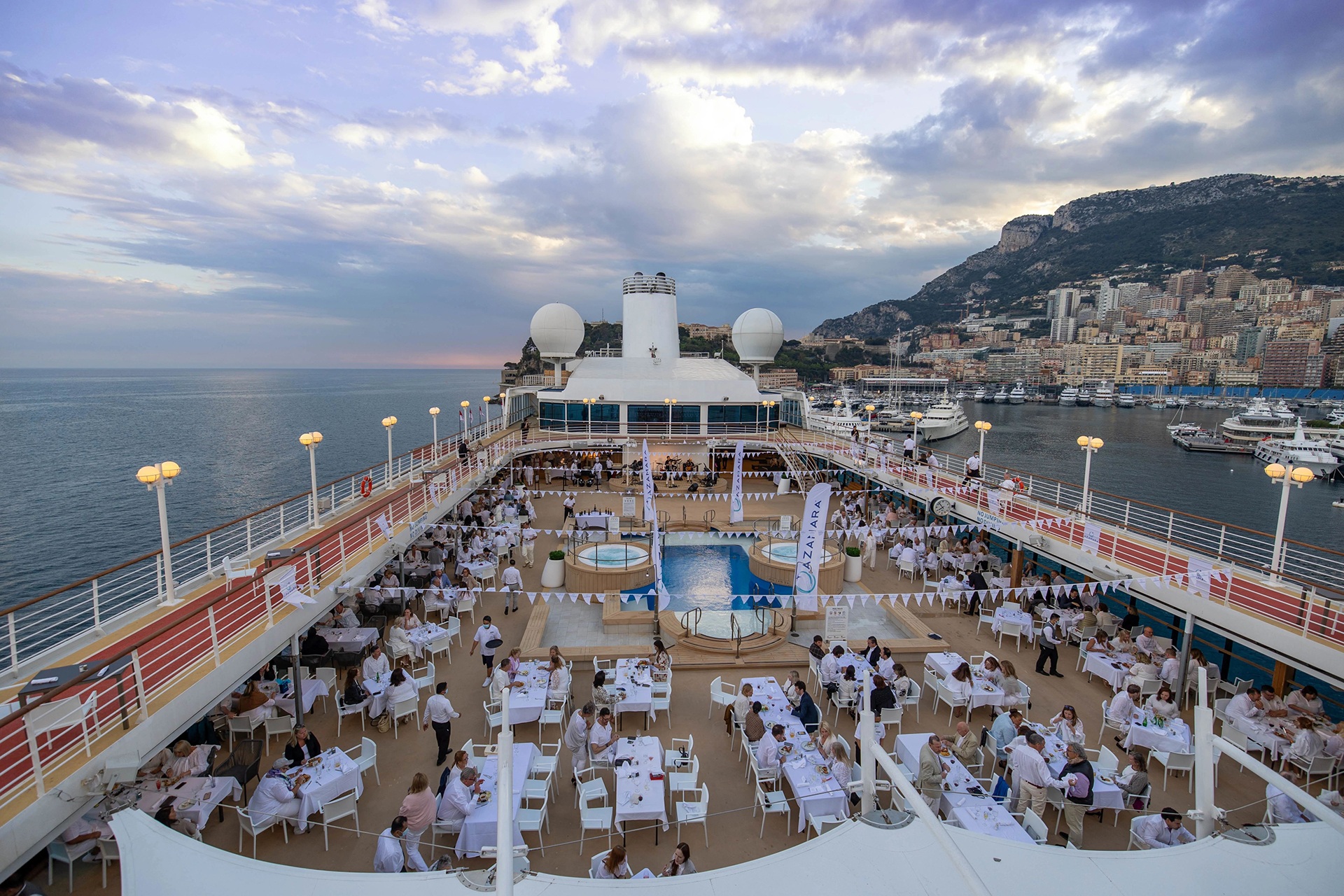
Most cruise fares include your cabin, meals in main dining venues, entertainment, pools, and basic onboard activities. Additional costs often include alcoholic beverages, specialty restaurants, shore excursions, Wi-Fi, gratuities, spa services, and some premium activities. Before booking, it’s important to review what your specific cruise line includes so there are no surprises later.
Are cruises suitable for families with children?
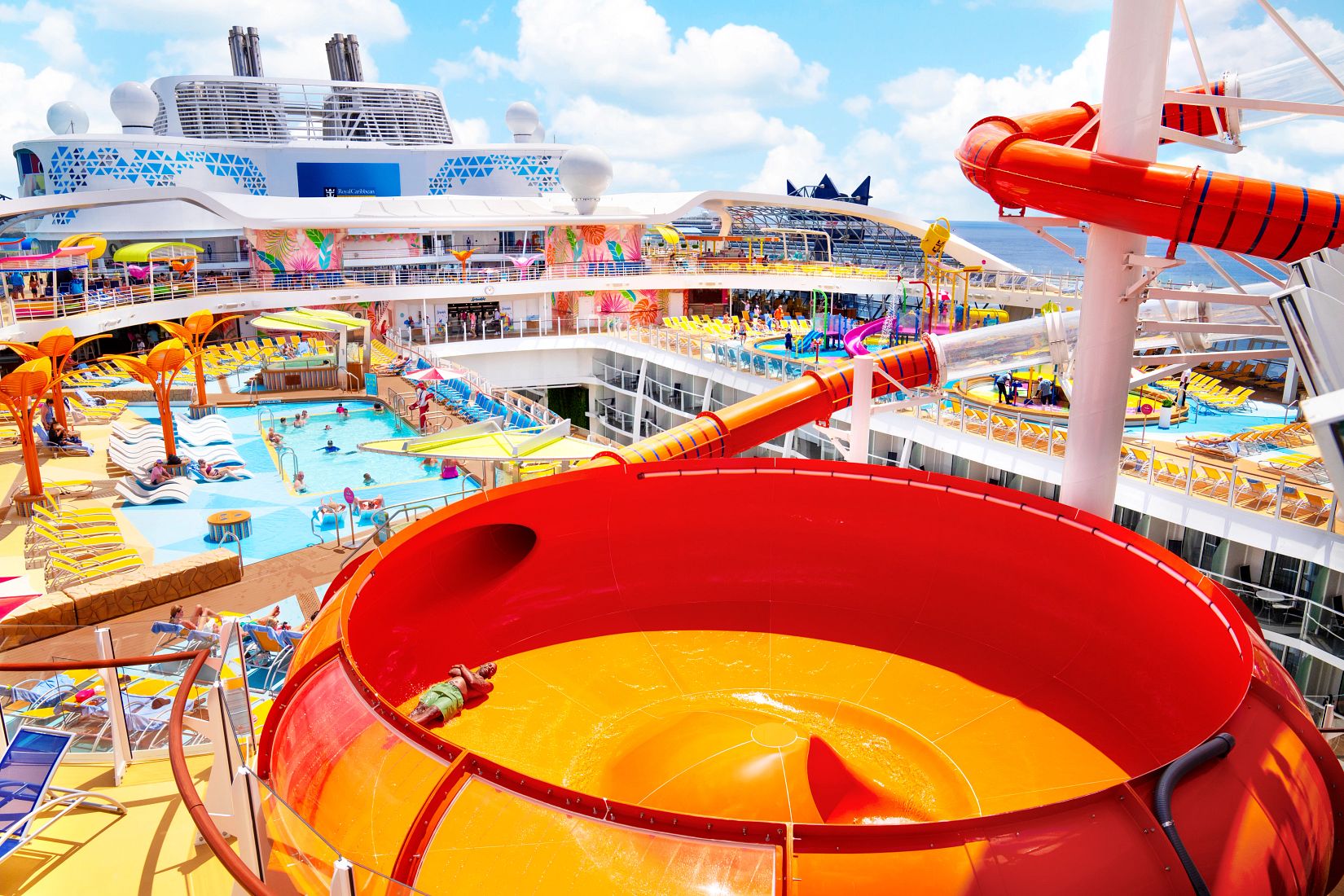
Many cruise lines are excellent for families and offer kids’ clubs, water parks, teen programs, babysitting services, and family-friendly entertainment. Some cruise lines cater more toward adults or luxury travelers, so choosing the right line is important.
Pricing & Fees
How much should I budget for onboard spending?
Onboard expenses vary widely depending on your travel style. Many travelers spend extra on drinks, specialty dining, excursions, shopping, spa treatments, and gratuities. Planning a daily onboard budget ahead of time can help avoid overspending.
Are gratuities included in the cruise price?
Some cruise lines include gratuities, while others add daily service charges to your onboard account. Policies vary, so it’s important to check before booking.
Are shore excursions included in the fare?
Most shore excursions are not included and must be booked separately through the cruise line or third-party providers.
Booking & Cancellation
When is the best time to take a cruise?
The best time to take a cruise depends on the destination and your preferred travel experience. Caribbean and Hawaii cruises are popular year-round, while Alaska cruises are best during the summer for glacier viewing and wildlife. Mediterranean and Europe cruises are especially enjoyable in the spring and early fall when temperatures are milder and crowds are smaller. Asia cruises are often best between late fall and early spring to avoid extreme heat and monsoon seasons. Africa and South America cruises are typically most popular during the dry season, while Australia cruises are ideal during the Southern Hemisphere summer from December through February. Weather, pricing, and crowd levels can vary significantly by season and destination.
How far in advance should I book a cruise?
Booking 6–12 months in advance typically offers the best pricing, cabin selection, and availability, especially for popular destinations and peak travel seasons.
What’s the best cabin type to book?
Interior cabins are the most affordable, ocean-view cabins offer natural light, balcony cabins provide private outdoor space, and suites offer the most comfort and perks. If you spend a lot of time relaxing in your room or enjoy scenic sailing days, a balcony cabin is often worth considering.
Can I change my cruise dates after booking?
Many cruise lines allow itinerary or date changes, although change fees and fare differences may apply. Flexible fares typically offer more options than discounted promotional fares. Travelers should confirm change policies carefully before finalizing a reservation.
What happens if I need to cancel my cruise?
Most cruise lines allow cancellations before departure, but the refund amount depends on how close you are to the sailing date. Early cancellations may qualify for a full or partial refund, while cancellations made closer to departure often involve higher penalties. Always review the cruise line’s cancellation schedule before booking.
Is travel insurance recommended for cruises?
Cruise travelers often purchase insurance that covers trip cancellations, medical emergencies, missed connections, and emergency evacuation. Because cruises involve multiple destinations and fixed departure schedules, travel insurance can provide valuable protection.
Onboard Experience
Is Wi-Fi available onboard, and how reliable is it?
Most cruise ships offer Wi-Fi packages, but speed and reliability can vary depending on location and the ship’s satellite system. Basic browsing and messaging are usually manageable, while streaming and video calls may be slower at sea.
Can I customize my dining experience?
Most cruise ships offer flexible dining options, including traditional scheduled dining, anytime dining, buffets, specialty restaurants, and room service. Travelers with dietary restrictions or food allergies can usually be accommodated if the cruise line is notified in advance.
What is a formal night on a cruise?
Formal nights are special evenings where guests may dress more elegantly for dinner and events. Most cruise lines still offer them, though dress codes are often flexible.
What happens if I get seasick?
Most travelers experience little or no motion discomfort on large modern ships, especially in calm regions like the Caribbean. If you are sensitive to motion, mid-ship cabins on lower decks tend to feel the most stable. Motion sickness medications, wristbands, and patches can also help.
Destinations & Itineraries
Which cruise line is best for my travel style?
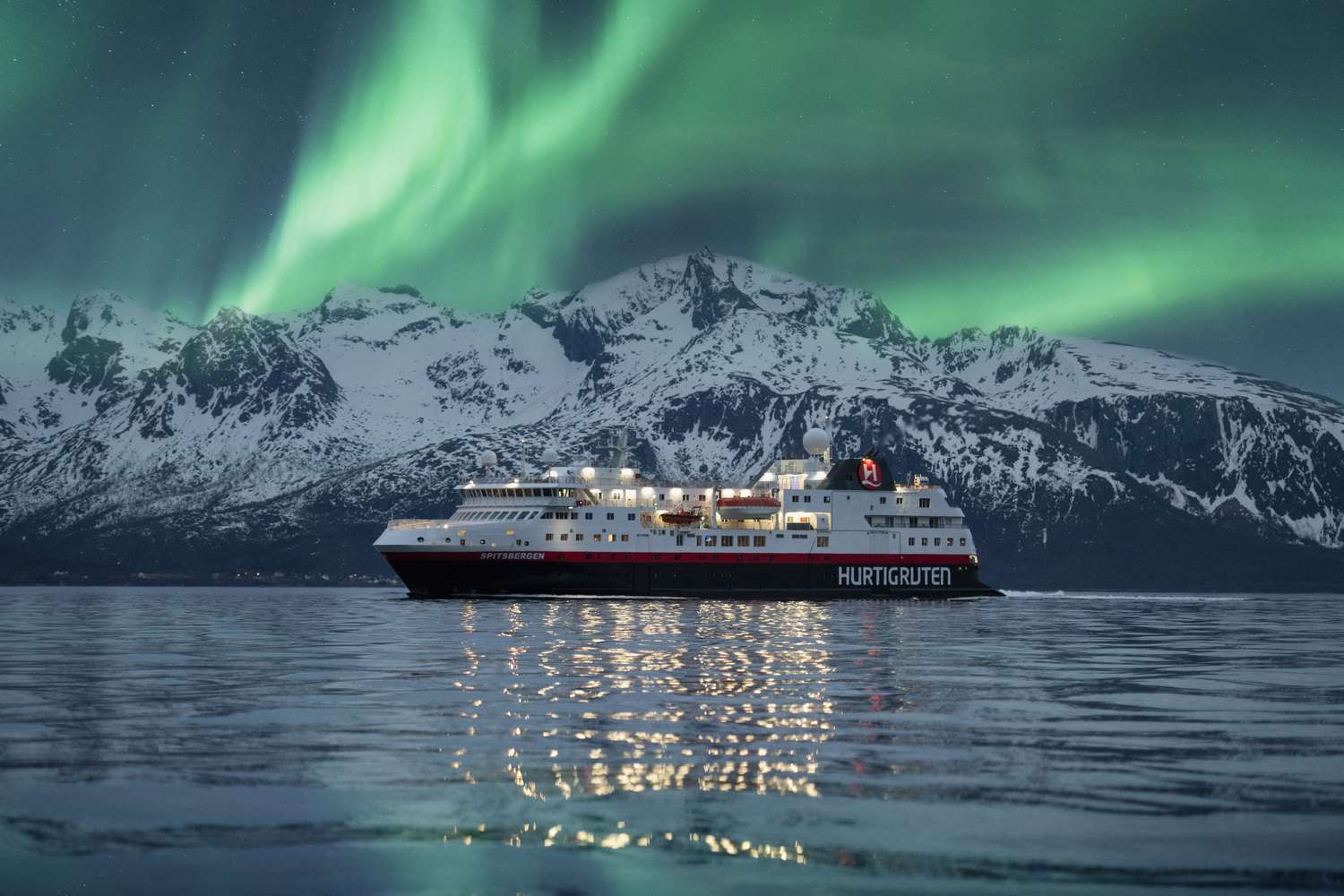
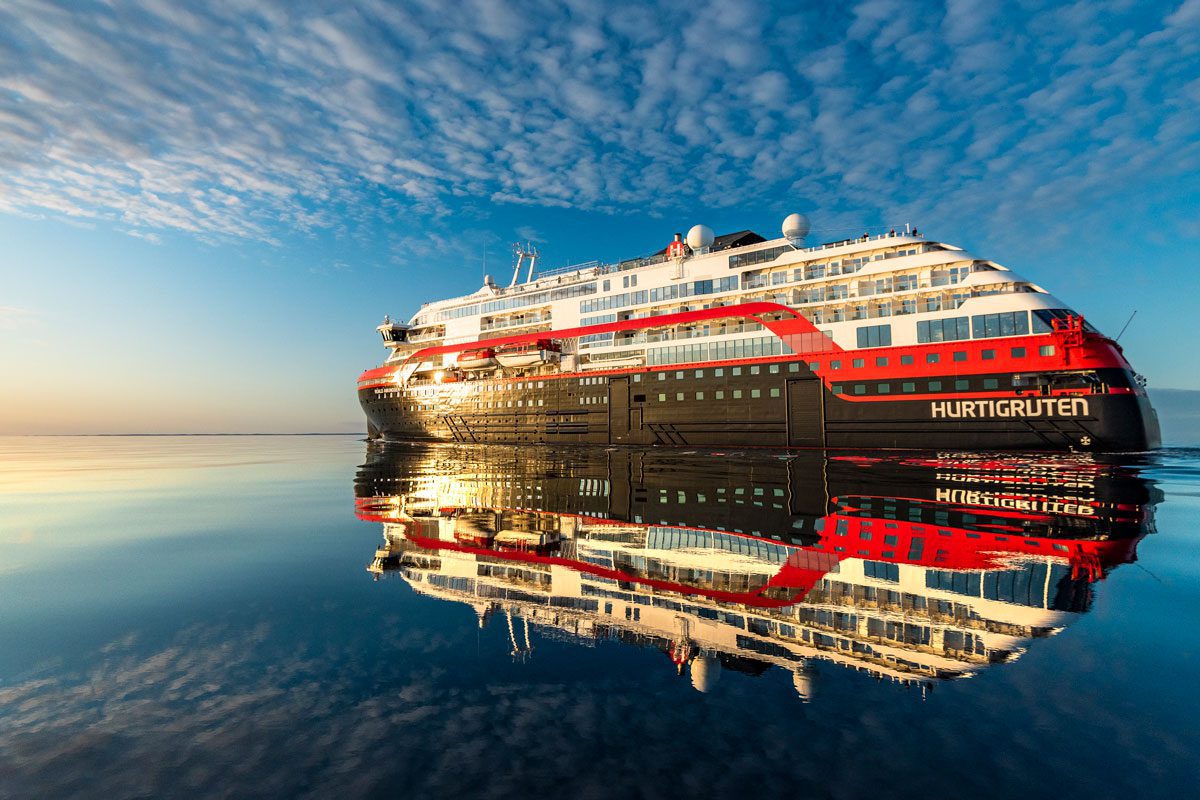
Different cruise lines cater to different types of travelers. Some focus on luxury and fine dining, while others are more family-oriented or budget-friendly. There are also cruise lines designed for adventure travelers, couples, solo travelers, and retirees. The best choice depends on your preferred atmosphere, budget, and vacation goals.
Are shore excursions worth booking through the cruise line?
Cruise-line excursions offer convenience and added peace of mind because the ship will wait for officially booked tours if delays occur. Independent excursions can sometimes provide lower prices or more personalized experiences, but travelers should carefully verify timing and reliability.
What’s the difference between ocean cruises and river cruises?
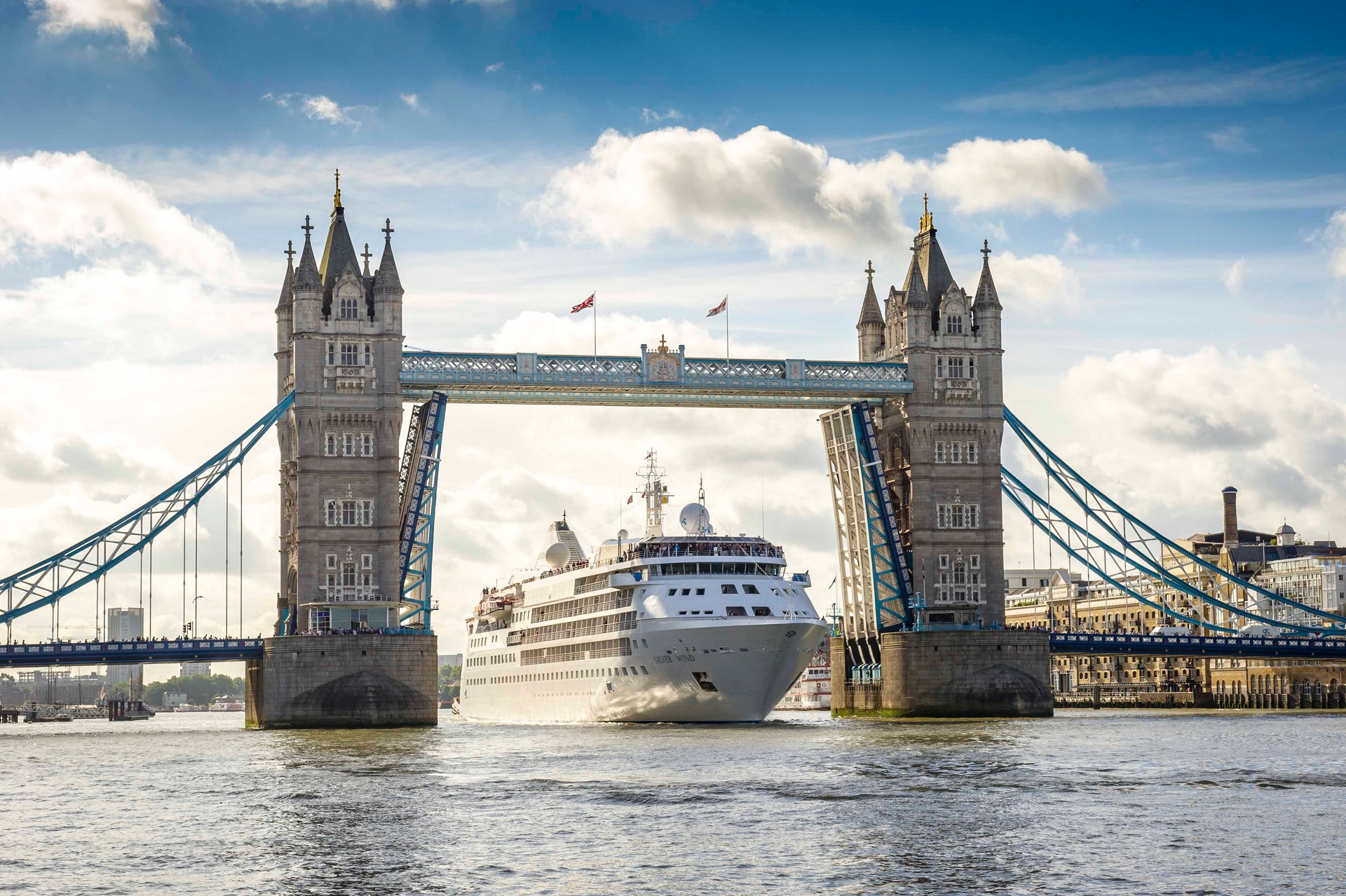
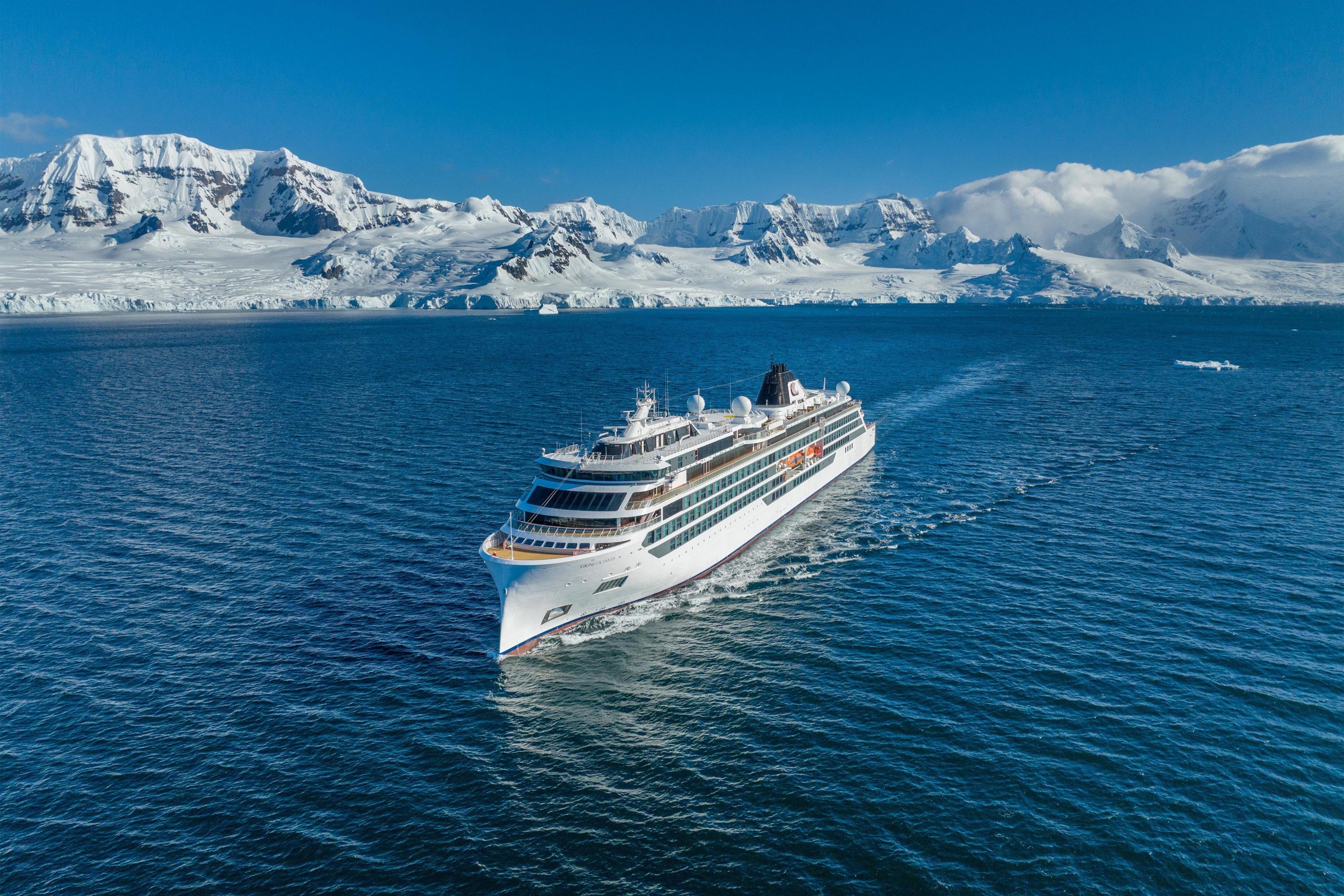
Ocean cruises typically involve larger ships with extensive entertainment, dining, and onboard amenities, while river cruises focus on smaller vessels, cultural experiences, and scenic inland destinations. River cruises generally offer a quieter, more intimate atmosphere and often dock closer to city centers, making it easier to explore destinations on foot. Even the smallest ocean cruise ships are typically much larger than river cruise vessels.
What are the different types of ocean cruises?
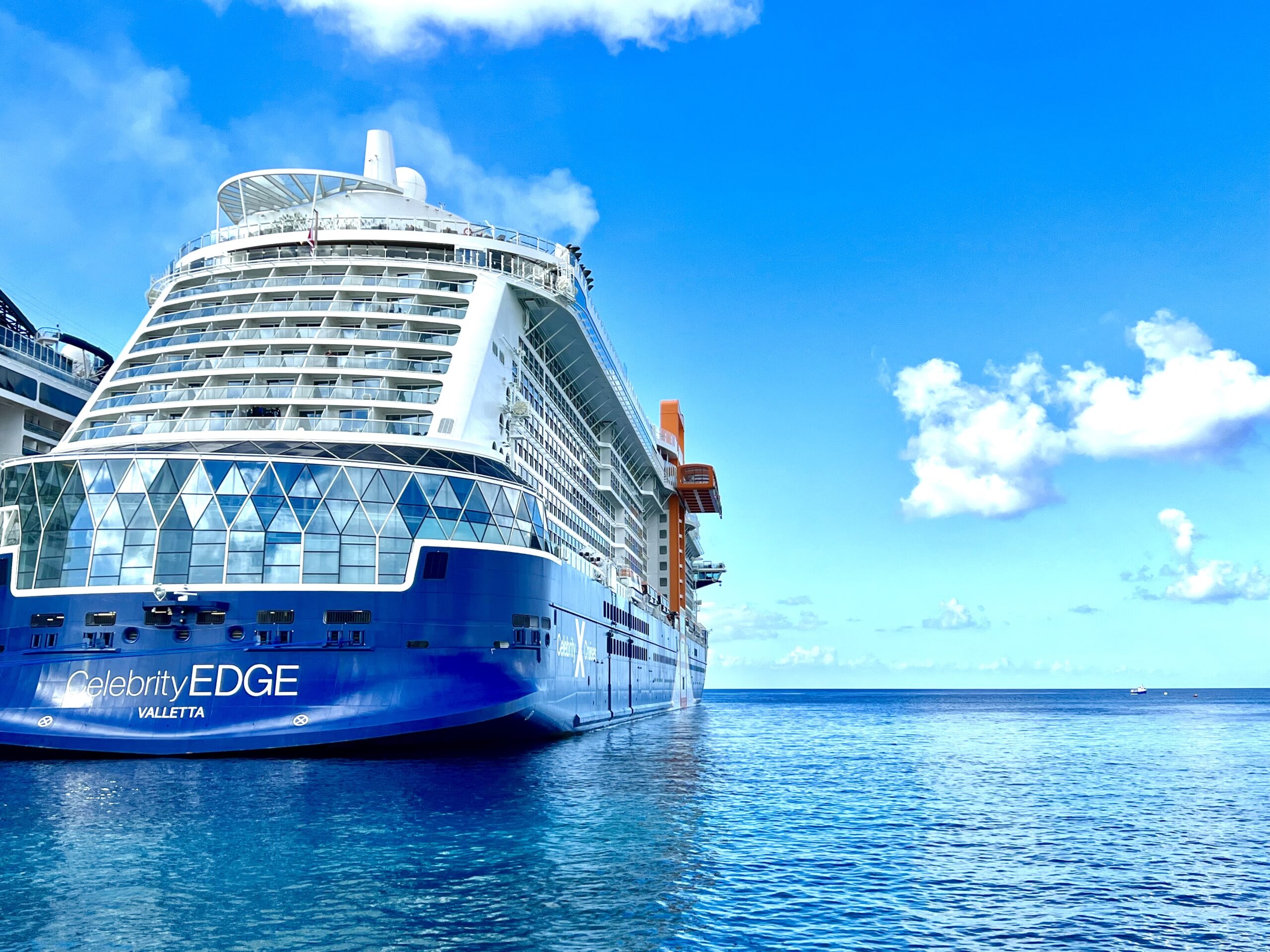
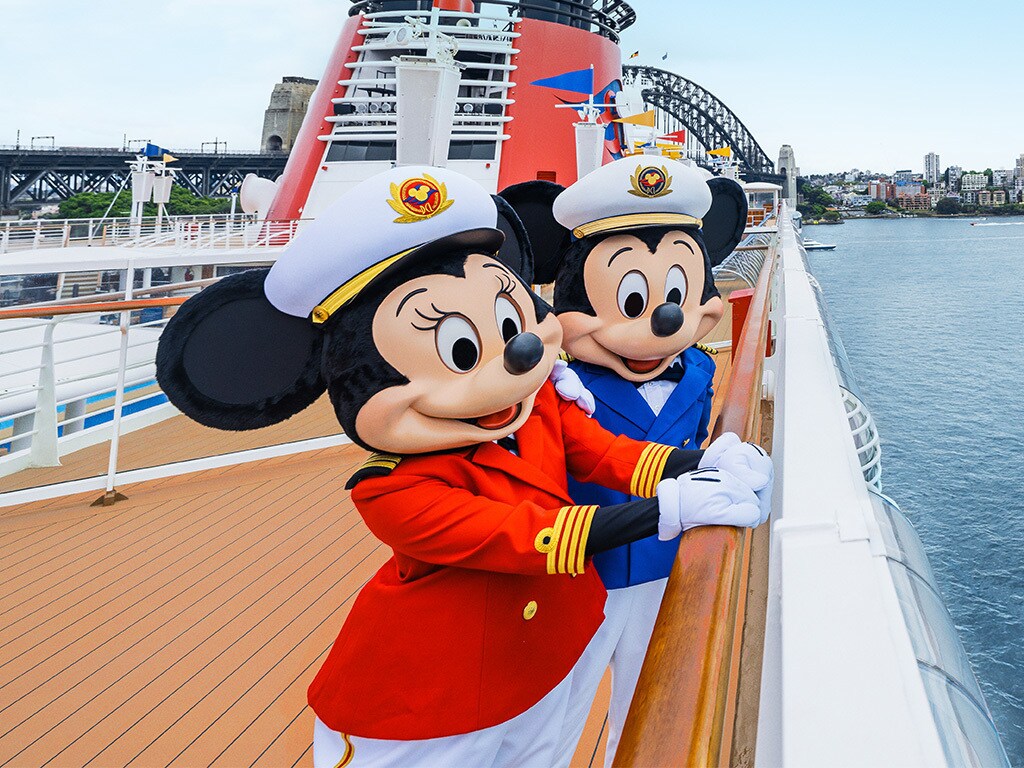
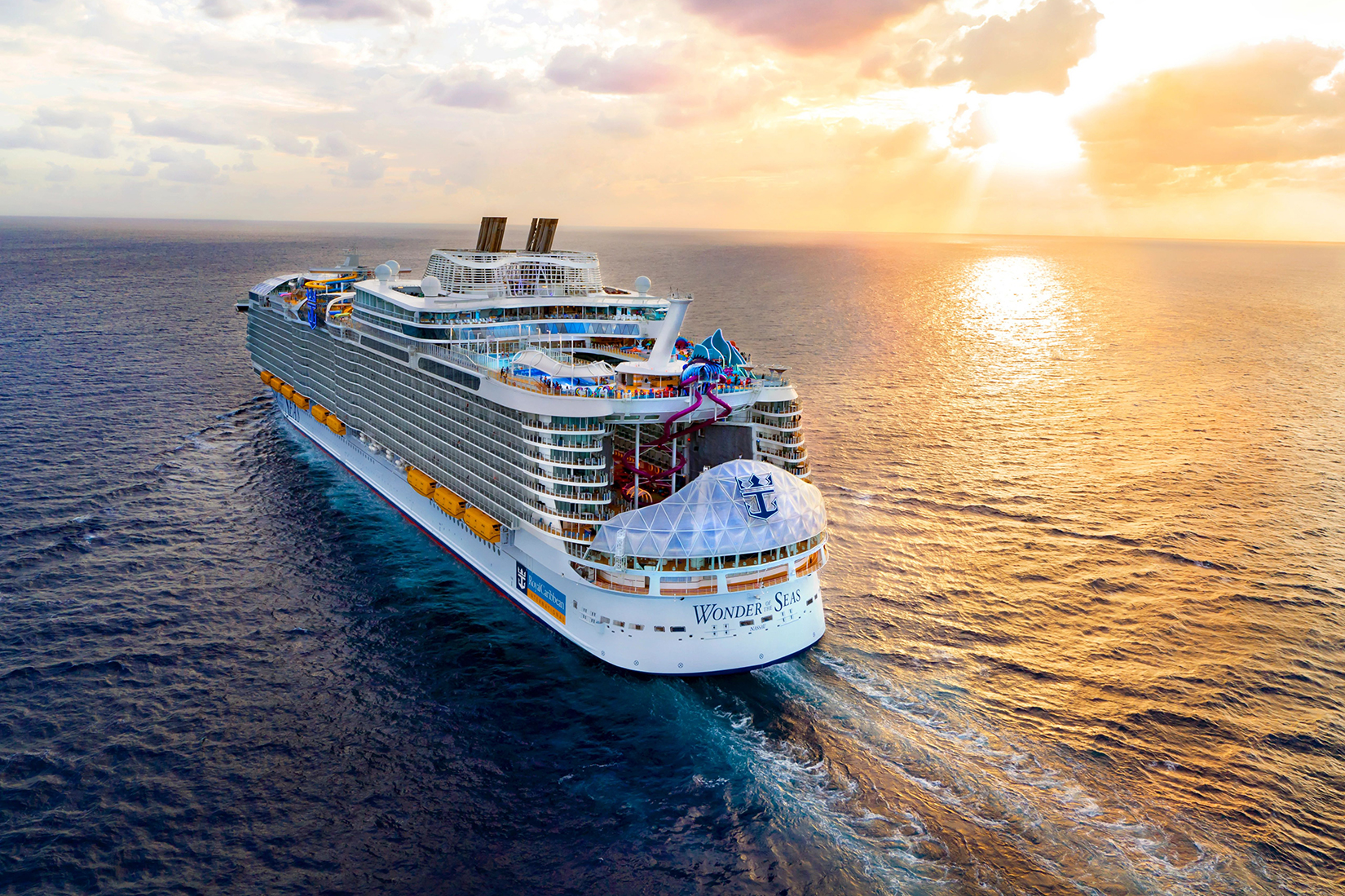
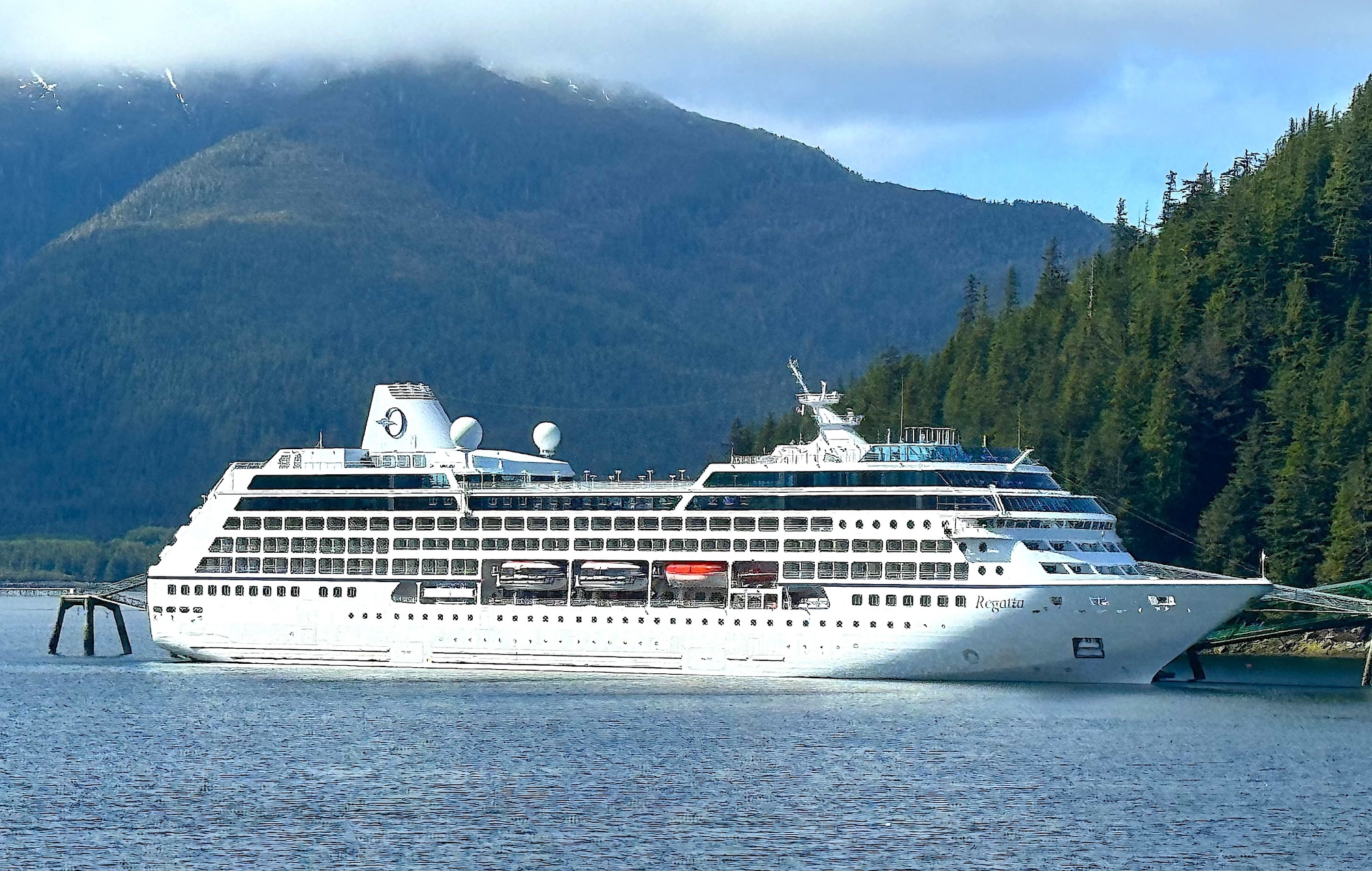
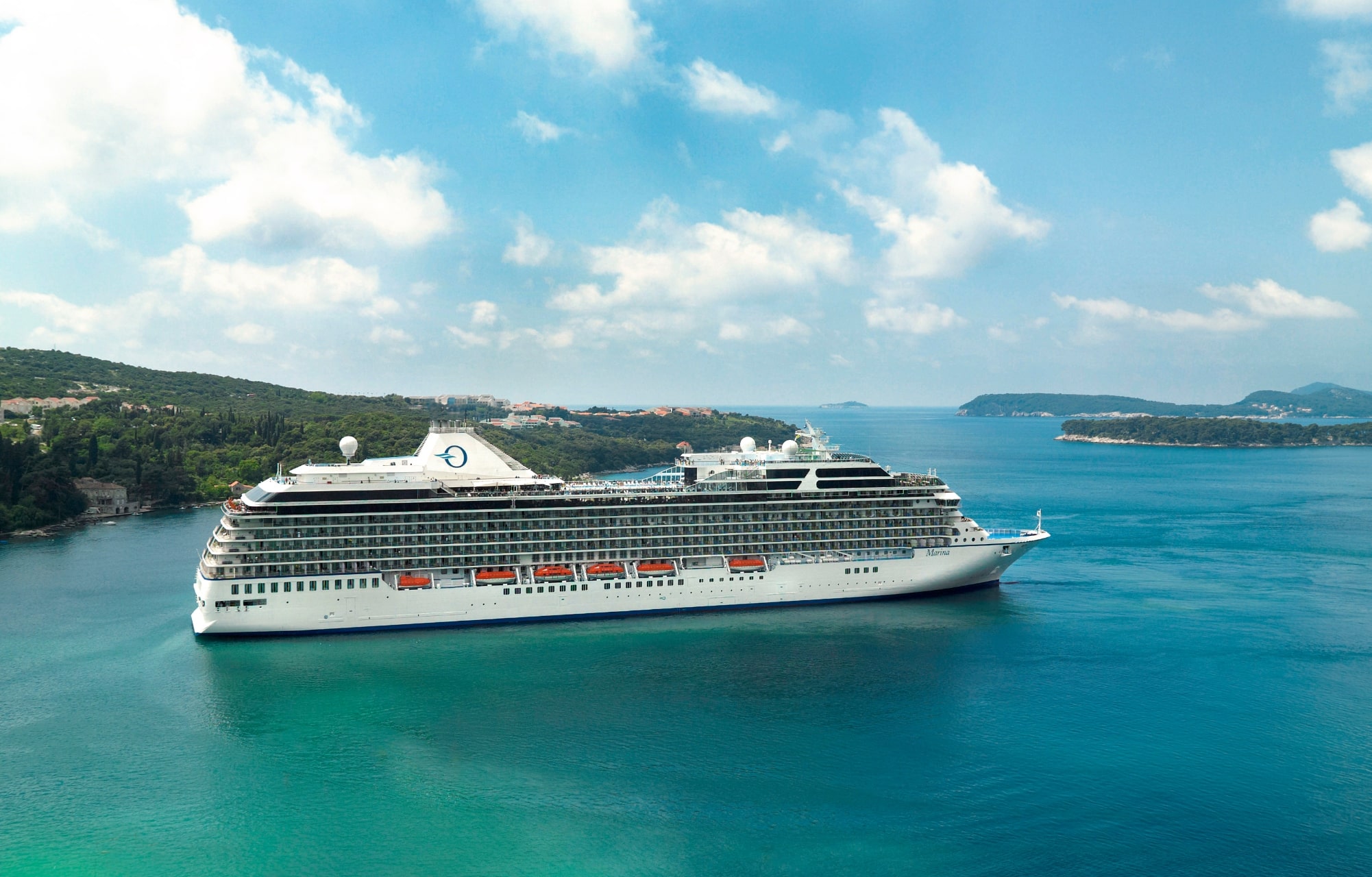
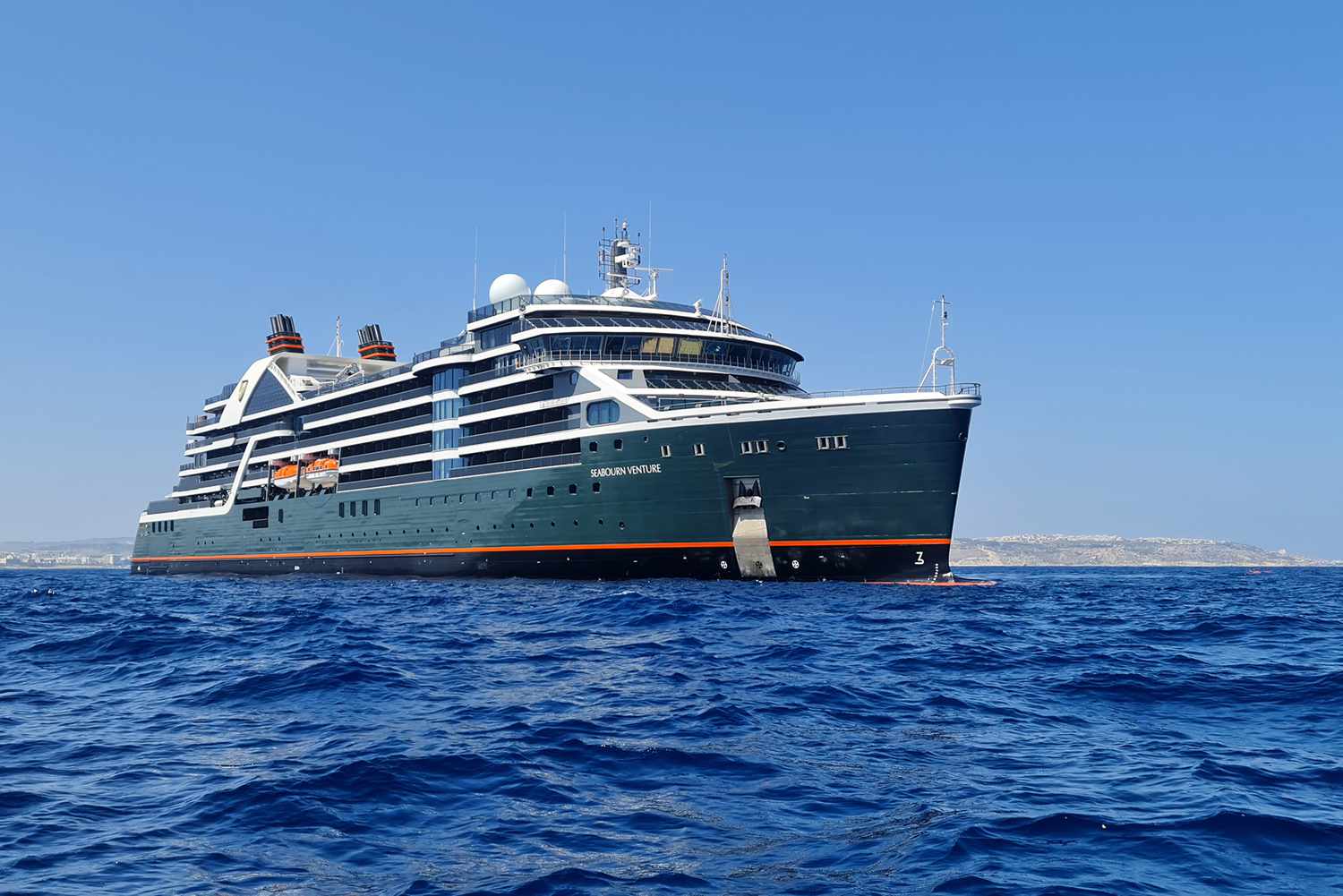
Ocean cruises are generally categorized as mass market, premium, or luxury. Mass-market cruise lines include Carnival Cruise Line, Royal Caribbean, Norwegian Cruise Line, MSC Cruises, and Costa Cruises. Premium cruise lines include Celebrity Cruises, Princess Cruises, Holland America Line, Cunard, Virgin Voyages, Oceania Cruises, and Disney Cruise Line. Luxury cruise lines include Regent Seven Seas Cruises, Seabourn, Silversea Cruises, Explora Journeys, Ponant Explorations, and The Ritz-Carlton Yacht Collection. As you move from mass market to luxury, ships tend to become smaller, service becomes more personalized, and more amenities are typically included in the cruise fare.
Which river cruise line is best for first-time travelers?
Several river cruise lines offer excellent experiences for first-time travelers, including AmaWaterways, Avalon Waterways, Emerald Cruises, Viking River Cruises, and Uniworld Boutique River Cruises. The best choice depends on your travel style, budget, and destination.
Many first-time river cruisers choose Viking River Cruises for its straightforward, destination-focused experience and extensive European itineraries. Travelers seeking more included excursions and a highly personalized experience often prefer AmaWaterways, while Avalon Waterways is known for its spacious staterooms and panoramic views. Emerald Cruises offers strong value, and Uniworld Boutique River Cruises is known for its luxury service and uniquely designed ships.
Do cruise itineraries ever change?
Yes, itineraries can change due to weather, port availability, or operational reasons. Cruise lines may substitute ports for safety or logistical reasons.
Can I schedule a private airport transfer for my cruise vacation?
Yes. Many travelers choose private airport transfers for added comfort, convenience, and direct transportation between the airport, hotel, and cruise terminal. Private transfers can be especially helpful for families, large groups, or travelers with significant luggage. Booking transportation in advance may also help reduce travel stress and avoid delays on embarkation day. Airport transfers worldwide can be found at Trip.com or GetTransfer.com.
Should I rent a car before or after my cruise?
Renting a car can be a great option if you plan to explore your departure city, visit nearby attractions, or extend your vacation after your cruise ends. Many travelers rent cars for port cities like Miami, Fort Lauderdale, Seattle, or Barcelona to add flexibility and save on transportation costs. For a wide selection of rental cars, we recommend visiting Trip.com or Discover Cars.
Can I combine a resort stay with my cruise vacation?
Yes. Many travelers choose to add a pre-cruise or post-cruise resort stay to make the most of their vacation. This is especially popular for destinations like the Caribbean, Hawaii, Florida, Mexico, Europe, and the Asia-Pacific. Luxury vacation packages can help coordinate hotels, transportation, and activities alongside your cruise itinerary for a smoother travel experience.
Can a personalized itinerary include a vacation rental stay?
Yes. Many travelers choose private homes, waterfront cottages, mountain cabins, or luxury villas as the foundation for their journey. We frequently recommend browsing VRBO for distinctive properties that complement your travel vision.
Travel Requirements
Do I need a passport for a cruise?
Many international cruises require a valid passport, and even when it’s not mandatory, having one is strongly recommended. Some closed-loop cruises departing and returning to the same port may allow alternative documentation, but passport rules vary by itinerary and destination.
How early should I arrive at the departure port?
It’s generally recommended to arrive at least one day before embarkation, especially if flying cross-country, flying internationally or during winter travel seasons. Finding hotel accommodations for 1-2 nights, using platforms such as Trip.com, Expedia, or Hotels.com should give you plenty of time to adjust before cruise departure. This helps reduce the risk of missing the ship due to flight delays or transportation disruptions.
Will my phone work internationally during a cruise vacation?
Your phone may work internationally, but roaming charges can become expensive depending on your carrier and destination. Many travelers use international eSIM services to access mobile data while visiting ports in different countries without swapping physical SIM cards or paying high roaming fees.